
Invited speakers
Plenary Speakers
Brain Dimensions of Depression: From Biomarkers to Home-Based Neuromodulation
The Bipolar Action Network: A Collaborative Organization to Improve Outcomes
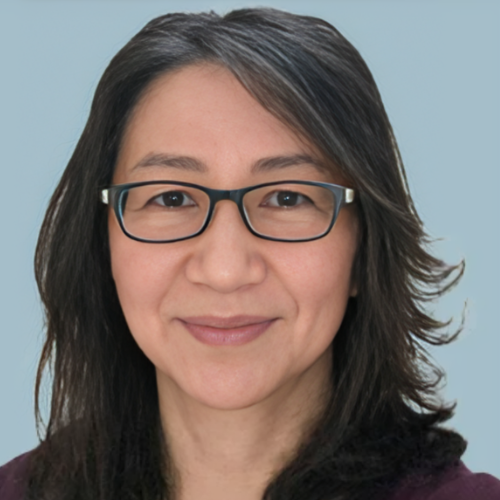
Prof. Cynthia Fu
Professor of Affective Neuroscience
Director, Affective Clinical Neuroscience Unit, Department of Psychology and Human Development, University of East London
London, United Kingdom
Click here for Bio
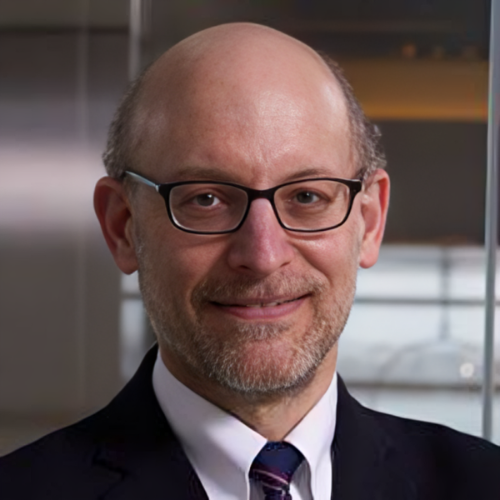
Andrew A. Nierenberg, MD
Dauten Family Center for Bipolar Treatment Innovation
at Massachusetts General Hospital,
USA
Click here for Bio
Development and application of biomarkers for Alzheimer‘s disease
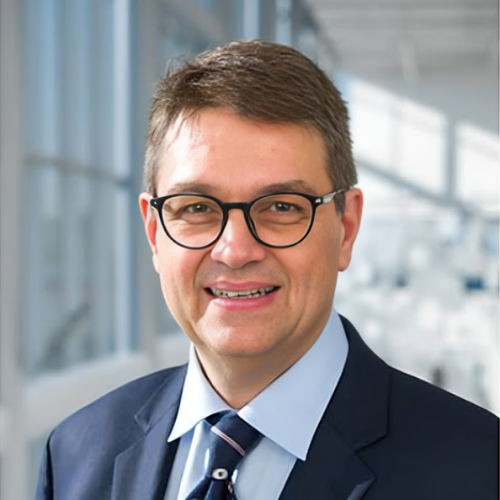
Dr. Pedro Rosa-Neto
Department of Neurology, UT Southwestern Medical Center
Dallas, United States
Click here for Bio
Debate Speakers
Are GLP-1 receptor agonists the new frontier in the treatment of psychiatric disorders?
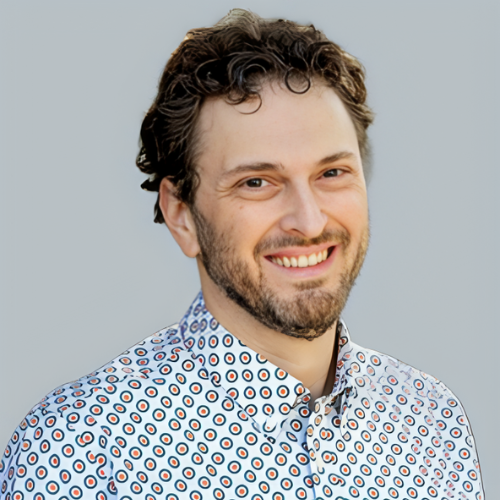
Prof. Dan Siskind
Professor
University of Queensland,
Faculty of Health,
Medicine and Behavioural Science
Brisbane, Australia
Click here for Bio
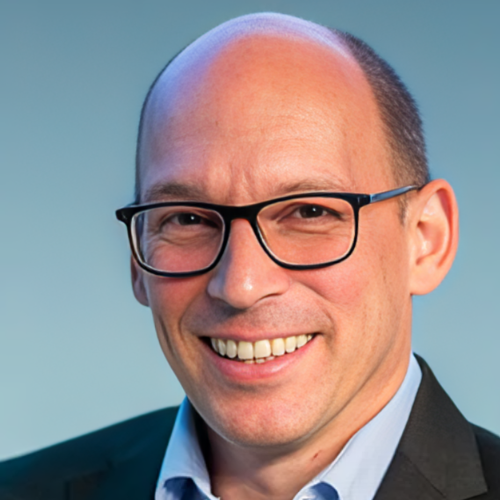
Prof. Andreas Reif
Chair
Department of Psychiatry, Psychosomatic Medicine and Psychotherapy,
University Medical Centre Frankfurt
Frankfurt, Germany
Click here for Bio
Cannabis use in adolescence negatively impacts emerging adults' neurodevelopmental and cognitive abilities’
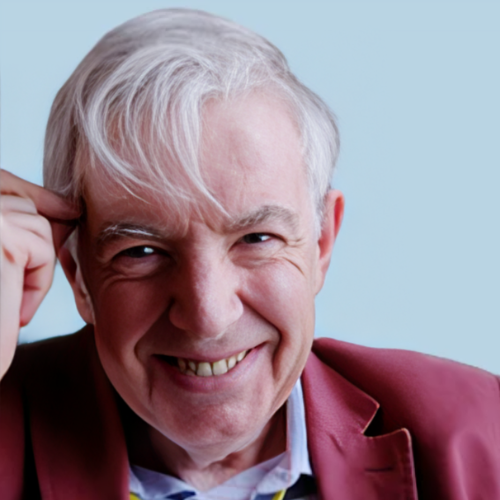
Prof. Robin Murray
Professor of Psychiatric Research
Institute of Psychiatry, Psychology and Neuroscience,
King’s College
London, United Kingdom
Click here for Bio
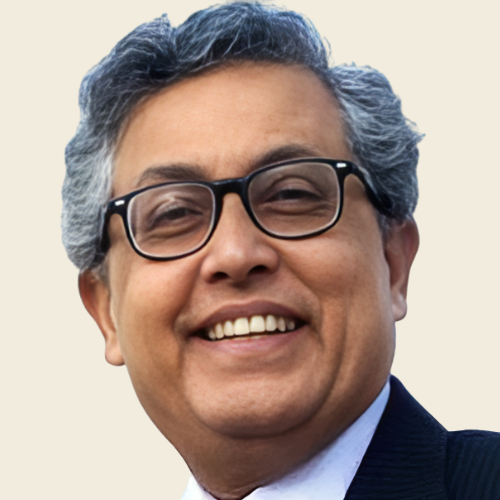
Dr. Debasish Basu
Former Professor and Head
Department of Psychiatry,
Postgraduate Institute of Medical Education & Research (PGIMER)
Chandigarh, India
Click here for Bio
Immuno-metabolic depression: Is it prime time to adopt immuno-metabolic modulating pharmacological and lifestyle interventions?
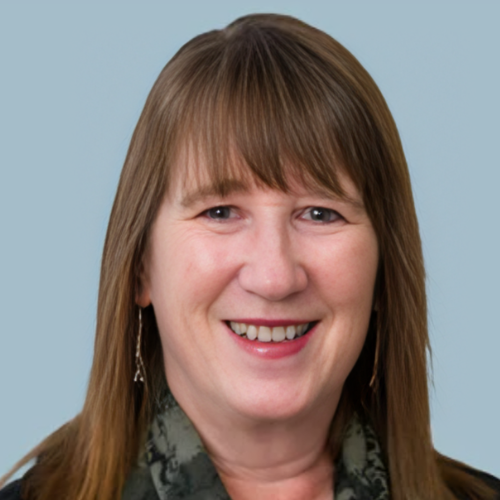
Prof. Jane A. Foster
Professor
Center for Depression Research and Clinical Care,
Division of General Psychiatry,
UT Southwestern Medical Center
Dallas, United States
Click here for Bio
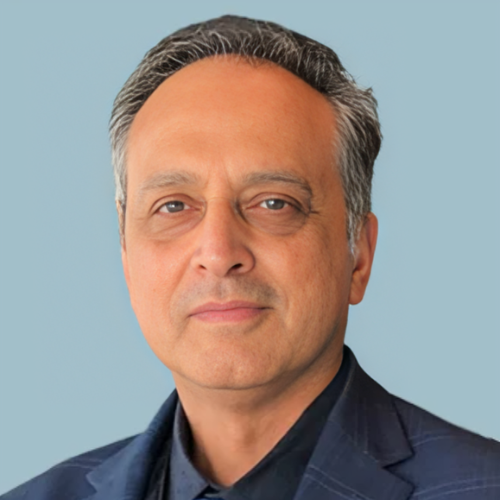
Prof Gin S. Malhi
School of Psychiatry,
University of New South Wales
Sydney, Australia
Click here for Bio
State-of-the-Art Session Speakers
Advances in Psychosis: Real Advances and Chimeras Over the Past Half-Century
Medication strategies for managing difficult-to-treat depression in young people: Absence of evidence or evidence of absence?
Prof. Robin Murray
Professor of Psychiatric Research
Institute of Psychiatry, Psychology and Neuroscience,
King’s College
London, United Kingdom
Click here for Bio
Taking Genetics to Clinical Practice in Mental Health Disorders – Where do we Stand?
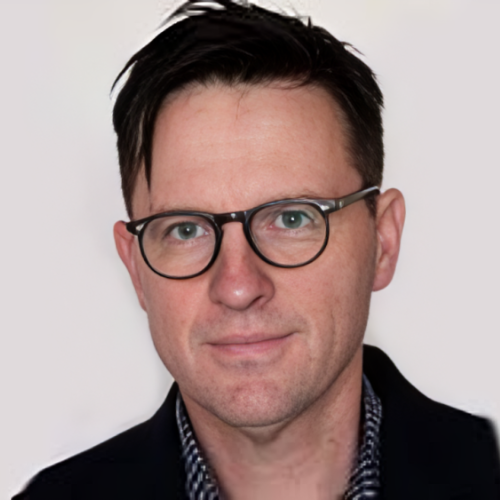
Christopher G. Davey
Department of Psychiatry,
The University of Melbourne,
Australia
Click here for Bio
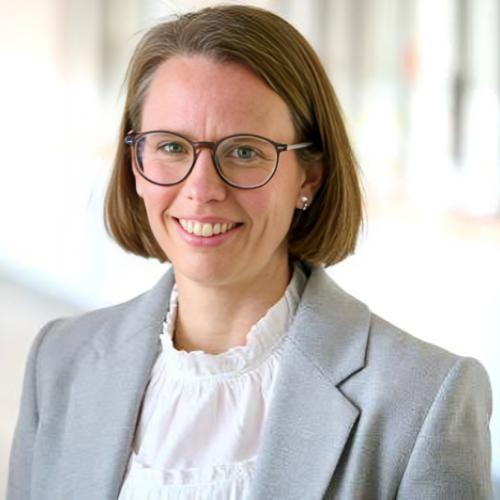
Prof. Eva Schulte
Department of Psychiatry,
University of Bonn,
Germany
Click here for Bio
Presidential Symposium Speakers
Beyond DSM-5: What Comes Next—and Why It Matters’ or ‘The Future of Diagnosis: Inside the Next DSM
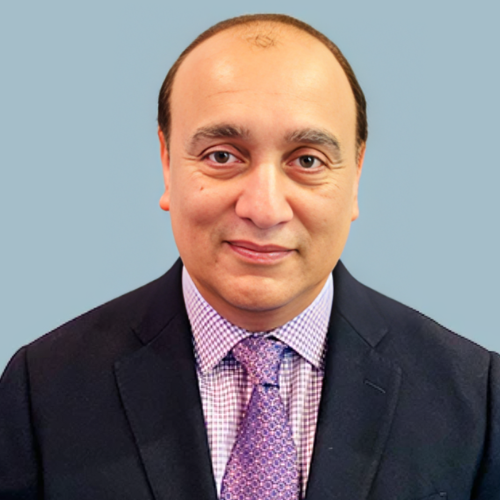
Nitin Gogtay, MD
VP
Division of Research
Deputy Medical Director
American Psychiatric Association
Bethesda, United States
Click here for Bio
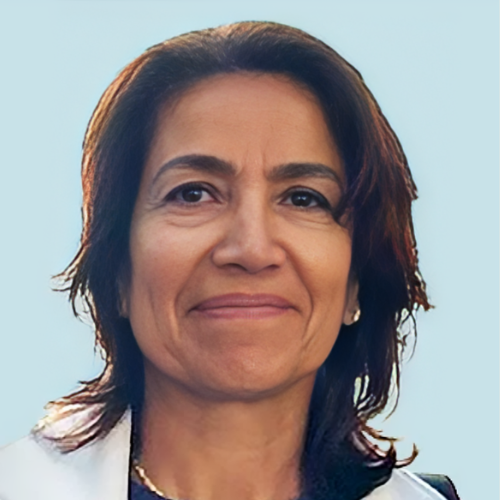
Prof. Anissa Abi-Dargham
Chair
Psychiatry and Behavioral Health
Stony Brook Medicine
New York, United States
Click here for Bio
Special Session Speakers
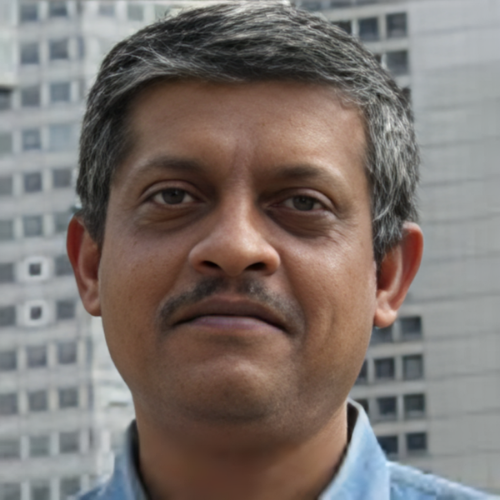
Prof. Vivek Benegal
Senior Professor of Psychiatry (Retd)
Former Head, Departments of Psychiatry Centre for Addiction Medicine
Department of Psychosocial Support in Disaster Management National Institute
of Mental Health and Neurosciences
Bengaluru, India
Click here for Bio

Prof. Joseph Zohar
National Post-Trauma Center
Research Foundation by the Sheba Medical Center
Tel Hashomer, Israel
Click here for Bio
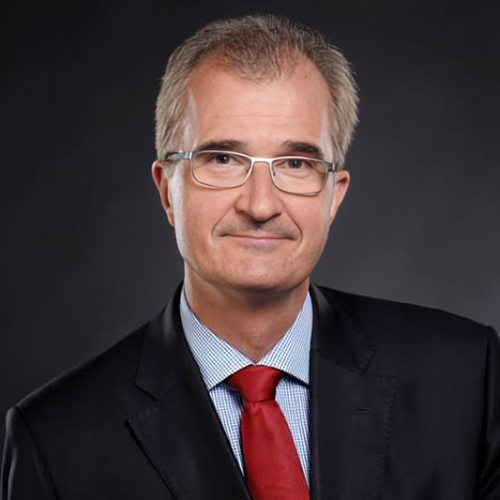
Prof. Peter Falkai
Professor and Chairman of the Department of Psychiatry and Psychotherapy
Professor and Chairman of the Max-Planck Institute for Psychiatry
Ludwig-Maximilians-University Hospital
Munich, Germany
Click here for Bio
Professor Ricardo F. Allegri, MD, PhD, FAAN
Ricardo Allegri trained in neurology and psychiatry, obtained his PhD. in sciences from the University of Buenos Aires. He undertook a post-doctoral fellowship in cognitive neurology at Hospital Bellevue in France and a research stage in behavioral neurology at UCLA in USA.
He began his career as a scientist of the CONICET (National Committee of Scientifically and Technological Research) in 1995 and chaired the Buenos Aires Health Research Council from 2008 to 2014 and again from 2020 to 2024.
He is Head of the Department of Cognitive Neurology, Neuropsychiatry and Neuropsychology, as well as Director of the Memory and Ageing Centre at the Fleni Neurological Research Institute in Buenos Aires. He is professor of neurology in the School of Medicine at the University of Buenos Aires, professor of neurosciences at Maimonides University in Buenos Aires, and the chair of the advisory board at the Association against Alzheimer’s disease and related disorders in Argentina (ALMA). He is also a member of the medical advisory board at Alzheimer Disease International.
He has published extensively on cognitive neurology and dementia in peer review journals and books and has co-edited nine books He has received over 52 awards in the field of cognitive neurology and neuropsychiatry, including the National Academy of Medicine Award and the Research Recognition Award by the School of Medicine, the University of Buenos Aires. Professor Allegri was a
corresponding fellow of the American Academy of Neurology, as well as an Active Member and Trustee of the World Dementia Council.
Cynthia Fu, MD PhD
Cynthia Fu is Professor of Affective Neuroscience and Psychotherapy at the Centre for Affective Disorders, Institute of Psychiatry, Psychology and Neuroscience,
King’s College London, and University of East London, and Honorary Consultant Psychiatrist, National Affective Disorders Service, South London and Maudsley NHS Foundation Trust. Her research focuses on identifying neuroimaging-based biomarkers to improve classification in mood disorders and to predict treatment response at the individual level.
She co-leads the COORDINATE-MDD consortium, an international collaboration which is developing AI-driven approaches to identify brain-based dimensions of depression and predictors of treatment response. Her work also aims to translate mechanistic insights into innovative treatments. She leads clinical trials of neuromodulation therapies, including NIHR-funded home-based transcranial direct current stimulation (tDCS), to develop scalable and personalised interventions for mood disorders. Through this work, she seeks to advance precision psychiatry by linking brain-based biomarkers with targeted treatments for depression. Her research funding has included NIMH, NARSAD Brain and Behavior Research Foundation, UK Medical Research Council, Milken Institute, Rosetrees Trust, Wellcome Trust, and International Psychoanalytical Association.
Debasish Basu – Bio sketch
Dr. Debasish Basu is former Professor and Head, Department of Psychiatry, Postgraduate Institute of Medical Education & Research, Chandigarh, India, where he was involved in psychiatric service, teaching, research and administration for more than three decades. He has been as a NIDA-INVEST Fellow at Yale University, USA, and later as a Consultant Psychiatrist in the Mersey Care NHS Trust, Southport, England and NHS Lothian, Livingston, Scotland. His areas of interest include general adult psychiatry, addiction psychiatry, social psychiatry, and public mental health. He has received several distinctions and honors at national and international levels, including International Distinguished Fellow of the American Psychiatric Association, Honorary Fellow of the World Association of Social Psychiatry, and President of the Indian Association for Social Psychiatry. He is the Founding Editor of World Social Psychiatry, the official journal of the World Association of Social Psychiatry. He has more than 400 scholarly publications to his credit, including books, several book chapters, and articles published in national and international journals.
Dan Siskind MBBS, MPH, PhD, FRANZCP
Prof Siskind trained as a psychiatrist in Australia and the United States. He works clinically as a psychiatrist in Brisbane, Australia, with people with treatment refractory schizophrenia. His research interests include treatment refractory schizophrenia, clozapine and the physical health comorbidities associated with schizophrenia. He has over 300 publications and AU$ 60million in competitive research grants, with over AU$7 million as CIA.
Prof. Dr. Andreas Reif
Andreas Reif is a German Psychiatrist, who received his training at the University Hospital Würzburg, where he also did his residency and later on became Vice Chair of the Department of Psychiatry. In 2014, he took over the position of the Chair of the Department of Psychiatry, Psychosomatic Medicine and Psychotherapy at the University Medical Center Frankfurt, where he is also full professor of psychiatry. AR’s clinical and research interests encompass affective disorders (TRD, bipolar disorder, suicidality), aggression and adult ADHD; his research is translational in nature and revolves around the ideas of precision psychiatry, i.e. identifying the best therapy at the exact time for a given individual patient.
He has published more than 700 original papers and reviews, also in the most prestigious journals such as the New England Journal of Medicine, Lancet and Science, and has an h² index ca. 110. Collaborative research efforts where he has a leading role include the Collaborative Research Center on the Neurobiology of Aggression (TRR SFB 379) and the LOEWE Centre DYNAMIC, the latter focusing on conceptualizing mental disorders as a disturbance of dynamic networks on several levels from neurobiology to psychopathology. He is an internationally renowned speaker and active in several learned societies, especially the German Psychiatric Association (DGPPN), where he is an executive board member since 2017, as well as ECNP, where he is President since 2025 (Presidency 2025-2028). Also, he is involved in several clinical guidelines (e.g. depression, ADHD, suicide prevention)
and outreach programs.
Robin Murray – Bio sketch
Robin Murray is Professor of Psychiatric Research at the Institute of Psychiatry, Psychology and Neuroscience. He was one of the first to suggest that schizophrenia was in part a neurodevelopmental disorder, and he and his colleagues have contributed to the understanding that environmental factors such as obstetric events, drug abuse and social adversity dysregulate striatal dopamine and thus increase the risk of psychosis. He also cares for people with psychosis at the South London and Maudsley NHS Trust. He has written over 1,000 articles, not all of them boring! He is the most frequently cited psychosis researcher outside the USA, has supervised 83 PhDs and 13 MD Theses, and 52 of his students have become full professors. He was elected a Fellow of the Royal Society in 2010 and received a knighthood in 2011.
Catherine Harmer – Bio sketch
Catherine Harmer is Professor of Cognitive Neuroscience in the Department of Psychiatry at the University of Oxford. Her research focuses on understanding the cognitive mechanisms through which antidepressant treatments exert their effects, bringing together approaches from pharmacology, experimental psychology and neuroscience. In particular, her work has examined how antidepressants influence emotional processing, offering new insights into how these treatments may begin to work before changes in mood are subjectively experienced.
She is currently President of the British Association for Psychopharmacology and a Fellow of the Academy of Medical Sciences. Her research has contributed to a shift in how antidepressant action is conceptualised, with the aim of guiding the development of more effective and targeted treatments for depression and related disorders. Her work is supported by major funders including the Wellcome Trust and the National Institute for Health Research (UK).
Anissa Abi-Dargham, MD
Anissa Abi-Dargham, MD, is Chair of Psychiatry and Behavioral Health, Lourie Endowed Chair in Psychiatry, SUNY Distinguished Professor, and Associate Dean for Clinical and Translational Science at Stony Brook University’s Renaissance School of Medicine.
Dr Abi-Dargham was born in Beirut, Lebanon, where she obtained her medical degree. She did residency training in Psychiatry at the University of TN in Memphis followed by two research fellowships, at NIMH then Yale University.
Dr. Abi-Dargham is an expert in the areas of molecular imaging, pharmacology, schizophrenia and addiction. She is an internationally recognized leader in the use of molecular imaging of the human brain to study schizophrenia and its comorbidity with addiction. Her research has resulted in seminal findings describing the complex alterations of dopamine transmission in schizophrenia and the relationship to clinical symptoms, cognition and response to treatment. She has recently focused on modulators of dopamine such as the cholinergic system and the kappa opioid system, using PET to uncover specific relationships between targets and symptom domains. In recognition for her work, she received the Leiber Prize for outstanding research in schizophrenia from the Brain and behavior Research Foundation, she was elected to the National Academy of Medicine in 2016 and served as President of the American College for Neuropsychopharmacology (ACNP) in 2017. She is a Special Lecturer at Columbia University in New York, where she spent the last twenty-two years of her career prior to her move to Stony Brook University in 2016. She directs the Multi Modal Translational Imaging Lab at Stony Brook and oversees a multidisciplinary team with expertise in multiple neuroimaging modalities used in tandem to address important questions about the brain mechanisms of schizophrenia. She is also currently chairing the APA DSM subcommittee on candidate biomarkers and biological factors.
Nitin Gogtay, MD
Nitin Gogtay, MD, is a psychiatrist and neuroscientist whose work has shaped contemporary understanding of brain development and severe mental illness. Trained in pathology and neuropathology at BJ Medical College in India, he pursued neuroscience research at the Karolinska Institute, the University of Sydney, and the National Institute of Neurological Disorders and Stroke before completing psychiatry residency at Cornell.
At the National Institute of Mental Health (NIMH), Dr. Gogtay led landmark longitudinal neuroimaging studies of typical brain maturation and childhood-onset schizophrenia. His work helped establish a neurodevelopmental framework for psychotic disorders, identifying deviations in cortical maturation that inform our understanding of early-onset illness and long-term outcomes. He also contributed to treatment guidelines for youth with psychosis and served as an ad hoc FDA advisor on pediatric therapeutics.
He later founded and directed the NIMH Office of Clinical Research, overseeing the Institute’s clinical trials portfolio and strengthening integration across translational and clinical research.
Dr. Gogtay currently serves as Vice President of Research and Deputy Medical Director at the American Psychiatric Association. He oversees DSM development and leads the PsychPRO registry, a national mental health registry designed to generate high-quality longitudinal clinical data to advance quality improvement and real-world evidence. His current work focuses on strengthening the scientific foundations of psychiatric diagnosis by integrating developmental neuroscience, functional outcomes, and population-level data, efforts that contribute to national and international discussions on the future architecture of psychiatric classification and mental health policy.
Ravi Anand, MD
Ravi Anand MD completed medical education in New Delhi (India) and New York City (US) and trained as a psychiatrist. He worked in international drug development in neurodegenerative and psychiatric disorders at Hoffmann-La Roche (Switzerland), Sandoz US, Novartis US, and Organon (Netherlands). During his career he participated in and led efforts for the development of numerous new chemical entities, e.g. for depression (e.g. moclobemide), senile dementia (aniracetam), Alzheimer’s disease (rivastigmine), Parkinson’s disease (safinamide), and suicide prevention (clozapine), and many others.
He served as a drug development consultant for many companies and as consultant Chief Medical Officer (CMO) for Newron Pharmaceuticals SpA. During the last 10 years, he has led efforts for the development of glutamate modulators for the treatment of treatmentresistant schizophrenia (TRS).
Dr. Pablo Lapuerta
Dr. Lapuerta is a biotech executive and consultant with experience in successfully developing new medicines and gaining regulatory approvals. He is the founder and CEO of 4M Therapeutics. He was previously Chief Medical Officer at Lexicon Pharmaceuticals for 10 years, and before that he was a Vice President of clinical development at Bristol-Myers Squibb. He has published over 100 scientific articles. Dr. Lapuerta graduated from Harvard Medical School, completed a residency in internal medicine at UNC Chapel Hill, and performed a post-doctoral fellowship in neuroscience at UCLA.
Jane A. Foster, PhD
Jane A. Foster, PhD, is a Professor of Psychiatry at the Center of Depression Research and Clinical Care (CDRC) in the Department of Psychiatry, and O’Donnell Brain Institute, at UT Southwestern Medical Center, Dallas, TX.
As a neuroscientist and a leading expert on the microbiome, Dr. Foster’s research aims to connect the dots between a person’s 30 trillion gut microbes and their propensity for mental illness. Her research program in biomarker discovery combines basic science research with clinical collaboration in psychiatry, psychology, gastroenterology, microbiology, immunology, and bioinformatics. Dr. Foster’s research takes a ‘bench to bedside’ and back again approach to studying microbiota-brain and immune-brain systems. This collaborative approach and the ability to independently conceptualize cutting-edge neurobiological research in both normal states and psychiatric disorders has resulted in the development of an internationally recognized research program. A focus of ongoing research is the development of analytical methods to integrate microbiome data with neuroimaging, behavioural, and clinical data sets in order to better understand the individual nature of microbiome-host interactions in health and disease. These analytical approaches will be utilized to advance the discovery of robust clinically tractable biomarkers of health status, treatment response and other clinical features.
Professor Gin Singh Malhi,
BSC(Hons) MBChB(Manc) MSt(Oxf) MD(UNSW) FRCPsych FRANZCP
Prof Malhi is the Department Head of Academic Psychiatry at Northern Clinical School, which is within the Faculty of Medicine and Health at The University of Sydney, in Australia. He is a Visiting Professor in the Department of Psychiatry at the University of Oxford, United Kingdom, and after serving as the Editor-in-Chief of Acta Neuropsychiatrica and then The Australian and New Zealand Journal of Psychiatry (ANZJP) he has been the Editor-in-Chief of Bipolar Disorders and now The British Journal of Psychiatry. He is also the College Editor for the Royal College of Psychiatrists (UK) and has served as the President of the International Society for Bipolar Disorders (2020-2023).
His research expertise is in the phenomenology and ontology of mood disorders and suicide and their pharmacotherapy as well as the development of clinical practice guidelines. Over his career he has published nearly a thousand articles including books and book chapters, and his work has regularly appeared in top tier journals such as The Lancet. He has an h-index of over 110 and he is an ISI-recognised highly cited researcher. Throughout his career he has won awards for his research endeavours as well as his teaching and mentorship and is a sought-after speaker.
Conference Manager
Neumech Events
11, Ground Floor, Ansal Tower – 38, Nehru Place,
New Delhi – 110019, India
Mobile: +91 97172 98178
E: desk@conferenceindia.org
Web: www.neumechevents.com